Local Tree Trimming Free Consultation
Learn About Key Arboriculture Techniques for Optimal Tree Care
Knowing how to care for trees is vital for ensuring ecological wellness. Key practices including mulching and trimming are vital factors in enhancing tree health. Furthermore, proper watering techniques are crucial for new root growth. Nonetheless, a lot of individuals ignore the signs of tree diseases and the need for expert assistance. Investigating these factors can foster a greater respect for arboriculture and trees. What measures can be adopted to help their trees grow strong?
The Significance of Tree Well-being
Recognizing the value of healthy trees is essential, as trees are instrumental in maintaining ecological balance and making urban areas better. Vibrant trees help improve the quality of the air, provide shade, and provide refuge for nature. Trees also assist in reducing global warming by absorbing CO2, making them essential for environmental sustainability.
In urban settings, properly cared-for trees enhance the appearance, boost real estate worth, and promote community well-being. Having trees can lessen heat island effects in cities, resulting in reduced utility bills.
Neglecting tree health, on the other hand, can result in disease, pest infestations, and unstable limbs, creating dangers to the trees and nearby structures alike. Consequently, recognizing the indicators of tree health, such as leaf coloration, growth patterns, and the tree's outer layer, is critical for successful maintenance. In conclusion, promoting tree health supports not only individual landscapes but the wider ecological examine guide system, stressing the importance for proactive care and maintenance techniques.
Vital Trimming Practices
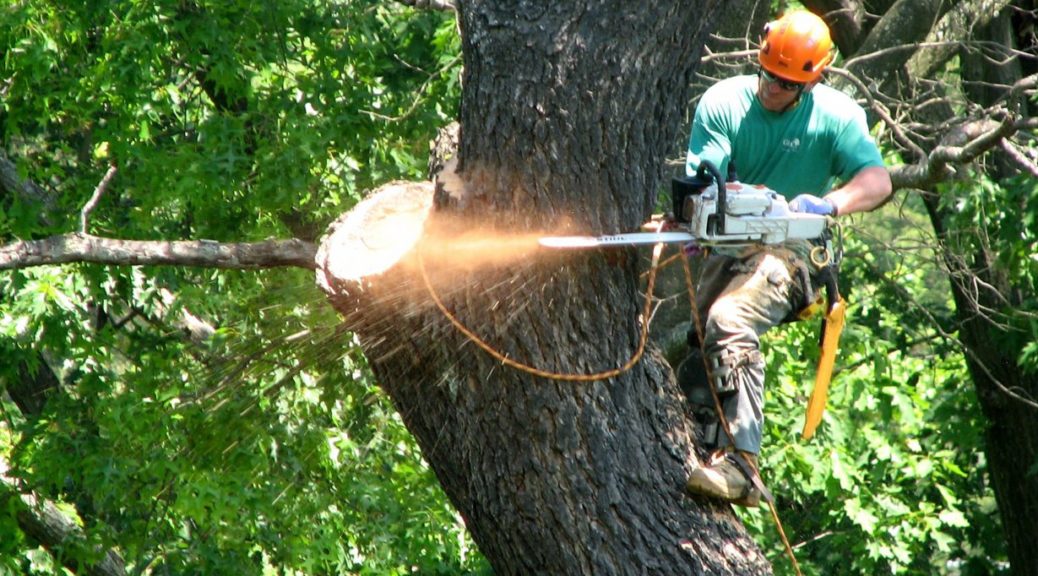
Pruning is an important practice in tree care that promotes strong growth and vitality, as it takes away unhealthy branches and boosts ventilation within the canopy. Using the right methods ensures the trees can thrive in their environment.
One fundamental technique is "thinning," which involves selectively removing branches to allow more light through and lessen the load on fragile branches. 'Tip pruning' are another method, where the ends of branches are snipped to stimulate lateral branching, particularly for young trees. Additionally, the process of 'crown reduction' reduces the height and spread of a tree while preserving its inherent form.
Proper timing is crucial; cutting during the inactive period lessens the impact and promotes better wound closure. Tools should be sharp and clean to minimize harm and infection transfer. Understanding these important pruning techniques is necessary for all tree specialists focused on preserving healthy and aesthetically pleasing trees.
Identifying Common Tree Diseases
How can tree owners recognize the signs of common diseases that put their trees at risk? Knowing the particular signs is essential for early detection and treatment. Common indicators include leaves that are yellowing or drooping, possibly indicating a fungus or nutrient deficiencies. Unusual growths, for example, galls and cankers, can signal the presence of pests or pathogens that compromise tree health. Additionally, peeling bark or oozing sap can be a sign of disease that need prompt care.
Owners must also monitor alterations in the tree's form, such as branches dying or leaves falling, which might indicate a serious problem beneath the surface. Looking out for insect attacks, like frass or bore holes, is necessary too. Through vigilance and promptness, owners are able to spot these frequent ailments and seek appropriate remedies, ensuring their trees remain healthy and vibrant throughout the seasons.
Mulching's Importance for Tree Health
Mulching is a key technique in tree care, giving various benefits that promote healthy growth and resilience. This technique requires placing a covering of specific material types around the base of a tree, helping to keep the soil damp, suppress weeds, and moderating temperature fluctuations. This protective barrier doesn't just limit rivalry from unwanted vegetation but also enhances the aesthetic appeal of the area.
Moreover, materials like wood chips, such as wood chips or bark, decompose over time, enriching the soil with crucial nutrients and enhancing the soil's composition. This ongoing process aids in root growth and fosters a healthier environment for the growing tree. Furthermore, applying mulch helps stop soil erosion, which helps maintain the stability of the tree’s root system. Properly applied mulch needs to be arranged in a donut shape, making sure it doesn't touch with the trunk to avoid rotting. In conclusion, integrating mulch application into tree care routines considerably contributes to the sustained well-being of trees.
Proper Watering Practices for Trees
Good tree maintenance demands not only mulching but also correct hydration methods to guarantee ideal growth and health. Trees, specifically new plantings, need consistent moisture to establish strong root systems. Deep watering is essential, as it helps roots push deeper where moisture is more stable. Preferably, trees should receive about an inch of water per week, either via rain or additional watering.
It is best to water during the early morning hours to cut down on evaporation and fungal diseases. It is important to avoid overwatering, which may result in root rot and further problems. Check the ground for moisture before watering; should the top two inches be arid, then watering is necessary. Furthermore, utilizing drip irrigation or drip irrigation can provide a slow, steady supply of water, making sure trees get enough water without the potential for wasted water. Proper watering practices are essential contributors to the overall health of trees.
Hiring Professional Tree Services: The Timing and Rationale
In evaluating the health and aesthetics of a property, hiring professional tree services is often vital for homeowners facing complex tree care needs. Expert tree specialists have the expertise to determine tree vitality, recognize pathogens, and execute beneficial procedures. Arborists are also aware of local regulations for removing trees and maintenance, ensuring adherence and preventing costly penalties
(Stillwater Tree Service)Property owners ought to hire experts when dealing with big trees, particularly those near structures or power lines, as incorrect care can lead to dangers. Furthermore, trees requiring pruning for aesthetic or health reasons benefit from the skills of trained specialists who can perform careful trimming to encourage development
Seasonal tasks, such as preparing for storms and post-storm tidying, also warrant professional intervention to maintain property safety and appearance. In the end, engaging professional tree services makes certain trees get the best attention, thereby enhancing the entire outdoor space and home valuation
Commonly Asked Questions
What Are the Signs if My Tree Is Receiving Too Much Water?
Signs of overwatering in trees include foliage turning yellow, limpness though the soil is damp, rotting root systems, and significant defoliation. Additionally, the appearance of mushrooms at the tree's base may indicate poor drainage and saturated soil.
When Should I Schedule for Tree Pruning?
The best time for tree pruning is usually between late winter and the start of spring before the onset of new foliage - Stillwater Tree Service. Pruning at this time encourages healthy growth and lessens the impact on the plant, facilitating quick recovery and development
Do Trees Bounce Back After Significant Weather Events?
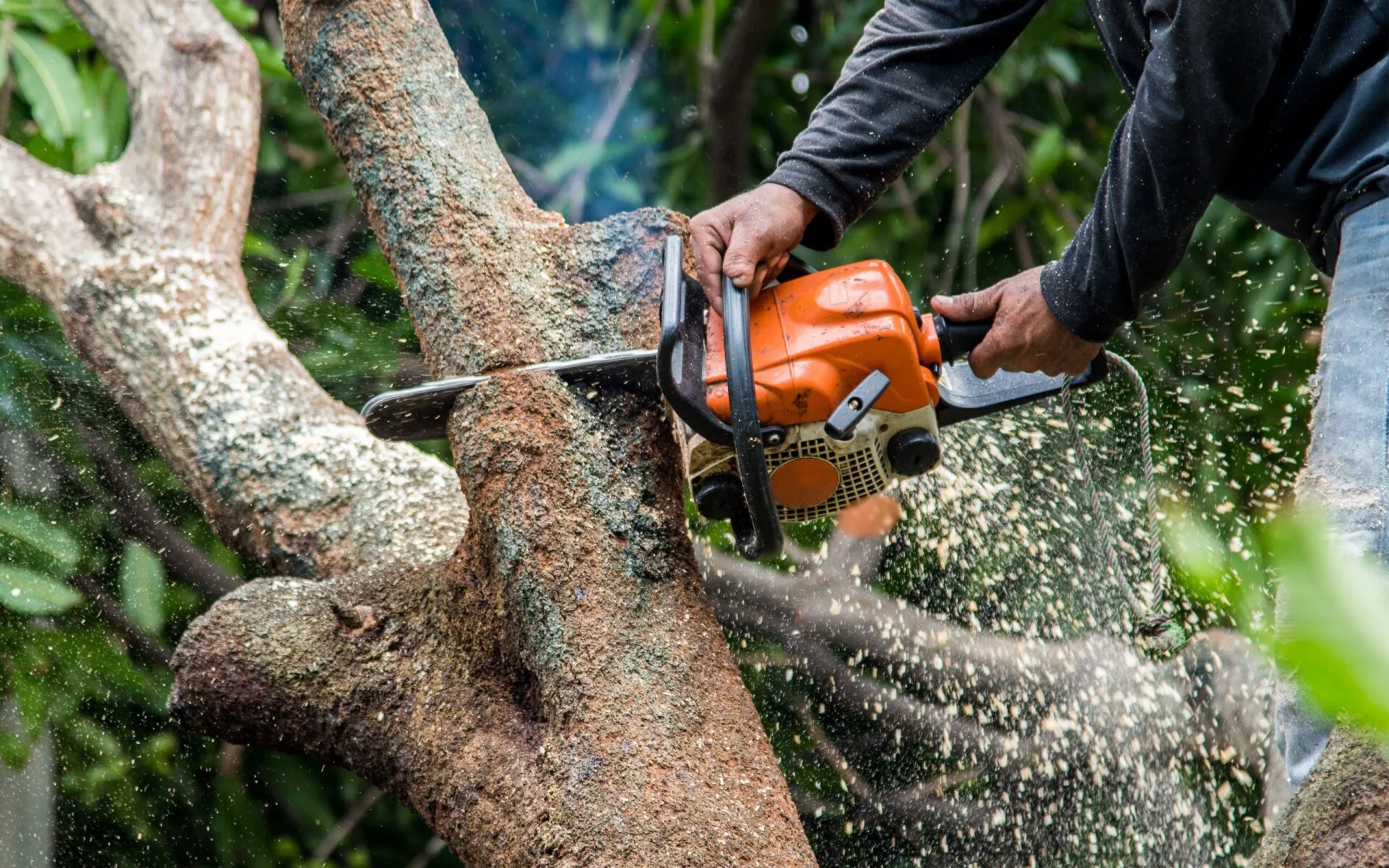
Yes, trees can recover from severe storm damage. With proper care, including the removal of injured parts and providing adequate water and nutrients, most trees will recover their vitality and continue to thrive following a stressful event.
How Do I Choose the Right Mulch for My Trees?
When selecting appropriate mulch, it is best to use organic options such as shredded bark or wood chips, ensure a layer 2 to 4 inches deep, and avoid piling mulch against the trunk to safeguard against rot.
Do Certain Tree Species Need More Attention Than Others?
Certain trees, such as fruit trees and newly planted specimens, need extra maintenance because they react strongly to environmental shifts and specific nutrient needs. Frequent checking and specific upkeep methods are vital for their condition and flourishing.